Sunday, March 13, 2011

Patar, Bolinao, Pangasinan

Patar,  Bolinao, Pangasinan - maybe you have noticed that most of my blogs are about Pangasinan. Well, obviously I am from Pangasinan and I am a real Pangasinense. I am born and raised in Pangasinan and my first Language is "Pangasinan". Pangalatok is not a dialect nor a language, most people refer to our Language as Pangalatok which is definitely incorrect and deregatory. Pangalatok is basically derived from a tagalog statement "Pangasinense na may katok" which literally means "a person from Pangasinan who is Insane or Fool". Even Pangasinenses, they refer to themselves as Pangalatok but not to those who know the origin of the word. I am a Pangasinense and my Language/Dialect is Pangasinan and not Pangalatok. Now that you know about it, stop referring to our Language/Dialect as Pangalatok. Thanks! 

Going back to Patar, Bolinao, this place is very Beautiful and sometimes compared to the famous beaches like BORACAY, PUERTO GALERA and a lot more. Well, it has its own beauty. Photos posted here were taken using my Pentax Optio M50 8MP Digital Camera with 5x Optical Zoom "photos with date on it" (already broken) and my ever durable Olympus C765 4MP Digital Camera with 10x Optical Zoom


People of all Ages Enjoys basking under the sun. 
It is free to run around. lol. look at those kids, priceless. ha ha
Patar Bolinao, Pangasinan
What are you looking at? lol
The guy raising his hands is Norman (Dorie's Brother)
Hey Mark, can you still breath? lol
Miss Patar Bolinao 2009. lol
Philippine National Animal

Hundred Islands, Alaminos, Pangasinan

Alaminos, Pangasinan - is where the famous Hundred Islands of Pangasinan are located. I have visited this national park at least 3 times as I remember and just recently, my colleagues and I had a day tour. It was their first time to see Hundred Islands and they were all amazed and fascinated of its Beauty. 

From our house (Calasiao) to Hundred Islands, it will take you at least an hour to get there. We rode a jeepney which we rented from my sister. So during the jeepney ride, we were thinking of what to do when we get to the town of Alaminos, first, we bought some of the stuff that we might need when we get to the beach. We bought food of course, since it will be a little pricier when you buy food at the beach. If you are into boating, snorkilng, para-sailing, swimming and even just reading your favorite book, this is the best place. Just make sure you bring with you a sunblock if you do not want to get as dark as me. lol.

Photos posted here are from my 1st and 3rd visit. find the difference. Lol. 


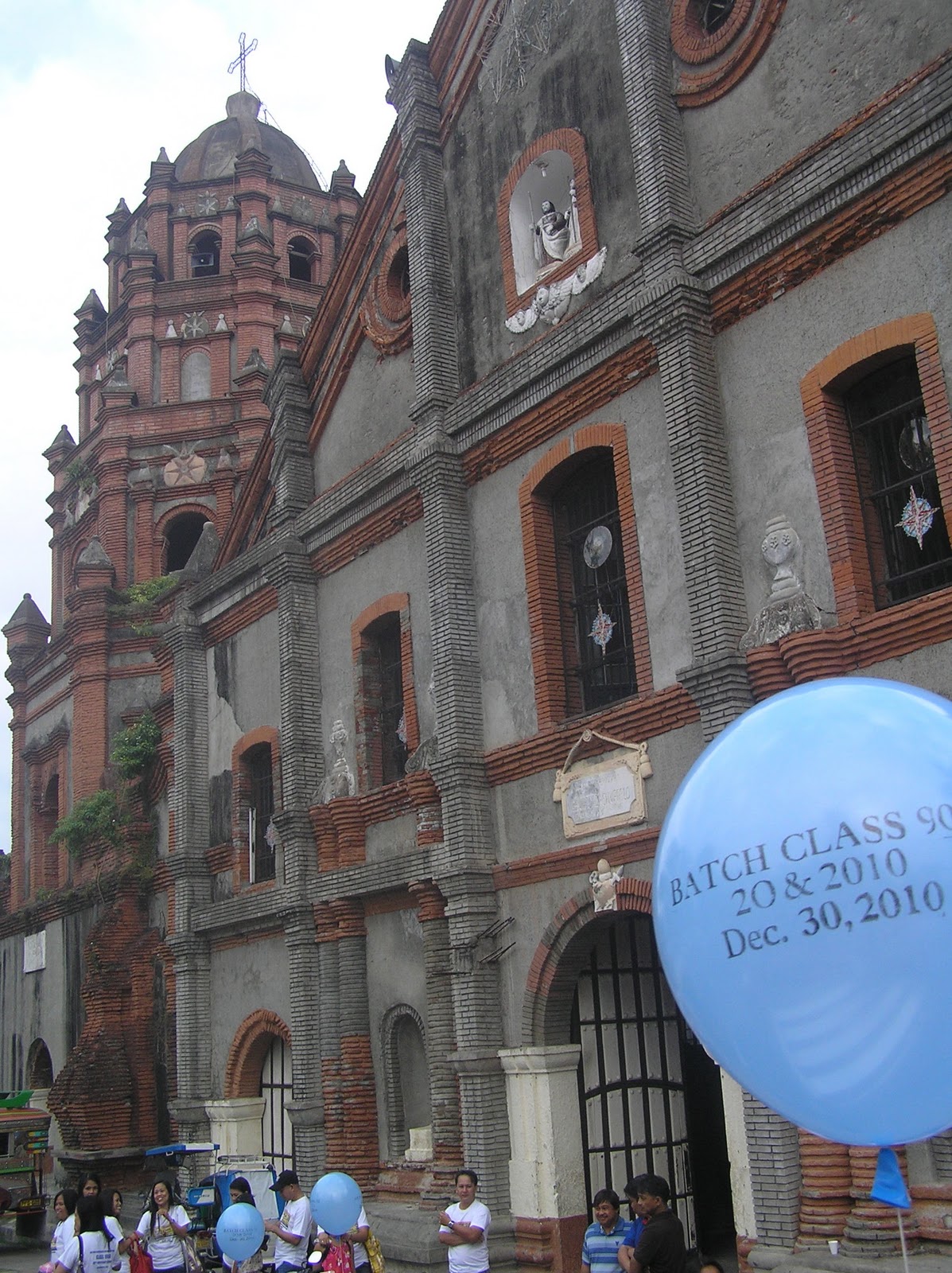
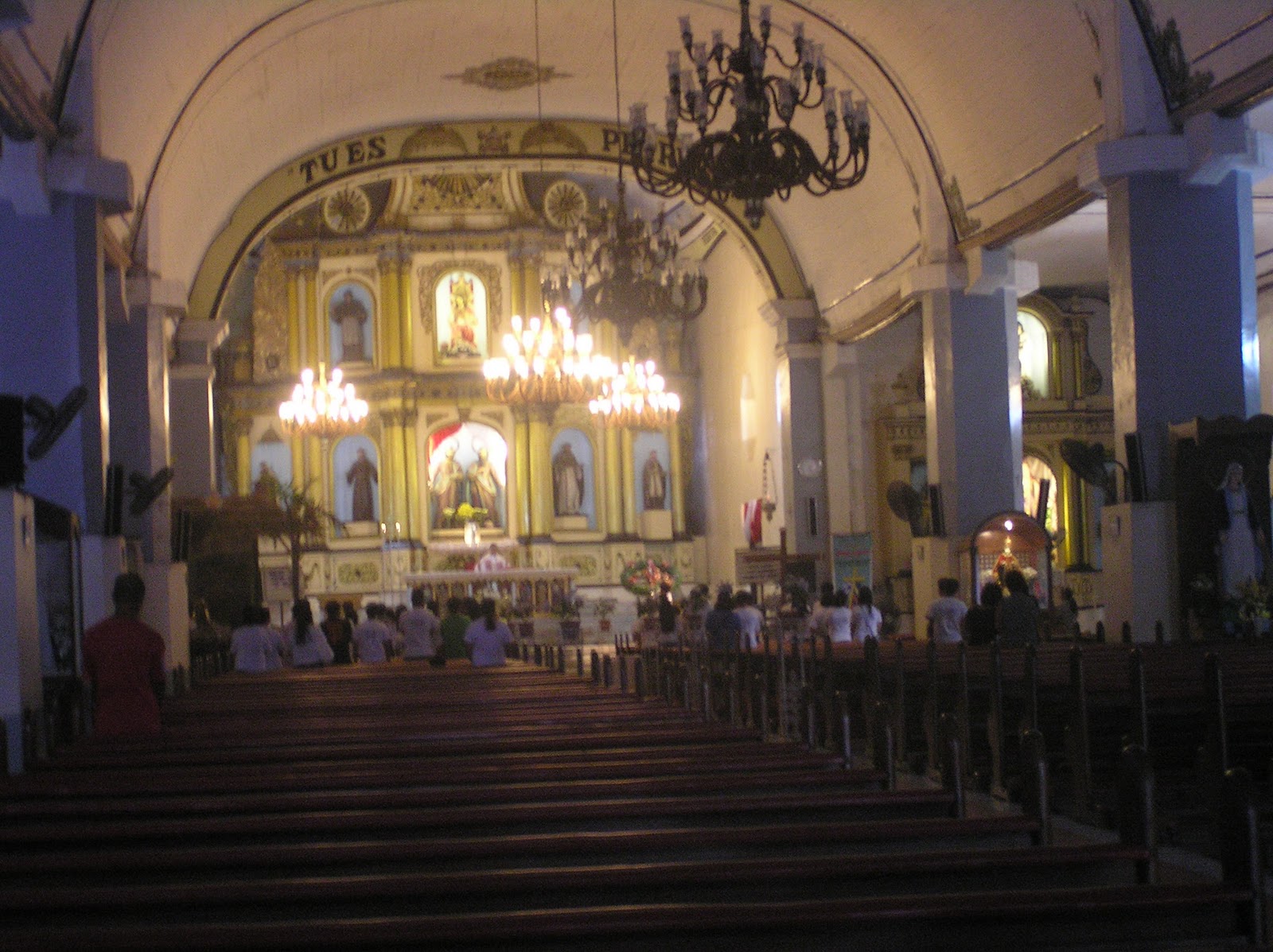
St. Peter and Paul Parish Church in Calasiao, Pangasinan


St. Peter and Paul Parish Church - Calasiao, Pangasinan was built in the 17th to 19th centuries by the Dominicans, the church is considered as the best-preserved church complex in Pangasinan. The bell tower and some parts of the church have been recently reconstructed, having been damaged by an earthquake: still and all, it is well conserved and the recent work has not deviated from its original appearance.


Calasiao is centrally located in Pangasinan, between Dagupan City and San Carlos City. A major highway connects Calasiao to Dagupan City, San Carlos City, San Carlos City, and Urdaneta City, which then connects to Baguio City and Metropolitan Manila. Calasiao is only a few minutes ride to the Bonuan Blue Beach and the Hundred Islands on the Lingayen Gulf. Calasiao is about an hour ride to Baguio City and a four hour ride to Manila.
Calasiao is known for its puto, a soft rice cake; suman, a sweet coconut and sticky rice cake wrapped in banana leaves; and bagoong, or fermented fish paste. Calasiao puto is described as the town's "white gold." Calasiao puto is a bite-size, soft rice cake made from semi-glutinous rice that is fermented in earthen jars. It is produced mainly in Barangay Dinalaoan.
Many pilgrims from neighbouring cities/towns and provinces visit Calasiao to pray at the Senor Divino Tesoro shrine. The statue of a crucified Jesus Christ is believed to grow in size and grant miracles.

Baguio City Philippines

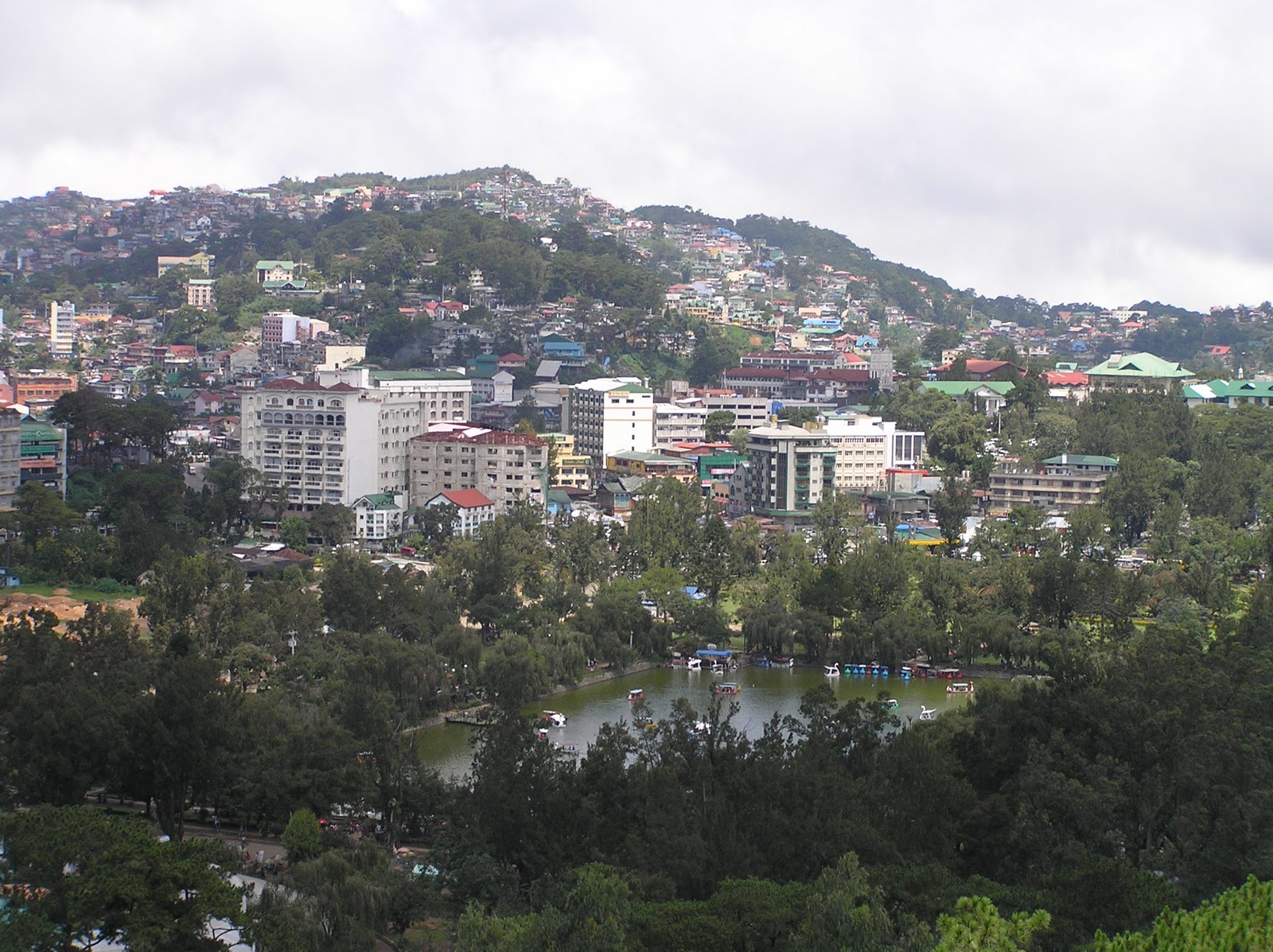
Aerial View view from SM Baguio City
Posing a bit. lol
I love my hair shot. lol
Swan Lake
Pooh and the Swans with the HUMANS. 
Jennifer(college friend) and Me

Baguio City, Philippines - it is very famous for it "Panagbenga Festival" which is literally means "season of blooming". 
The photos above are from my trip to Baguio City last May 4, 2009, so this is not my latest trip, but i have not blogged about and I just have the time to blog about it so, here I am. Talking about something that might interest some of my readers. 

Baguio City is just an hour away from my town (Calasiao). If you are coming from Manila, it will take you at least 6 hours by bus. If you are from Dagupan City, then it will just be 45 minutes. By Land - The three main access roads leading to Baguio from the lowlands are Kennon Road, Marcos Highway, and Naguilian Highway. Kennon Road road is the fastest route to Baguio but is the most dangerous with frequent landslides during the rainy season. Marcos Highway and Naguilian Highway are more roundabout routes but are much safer than Kennon Road and are the only routes permitted to buses and trucks. Major Bus lines from Manila go straight to Baguio City all hours of the day. Buses that ply from Manila to Baguio City route are the following: 

Dagupan Bus Lines: New York St., Cubao, Q.C. Tel # 929-6123, 727-2330
Partas Transport: Aurora Blvd, Cubao, Q.C. Tel # 724-9820, 725-7303
Victory Liner: Edsa, Pasay Tel # 833-5019 & Cubao, Q.C. Tel # 727-4688

There are lot of things to see and do in Baguio City. If you feel like doing a little "sweetums tweetums" with your love ones, you could rent a boat and enjoy boating at the man-made swan lake. Around the swan lake, there are bicycles and trikes that you could rent and stroll around the swan lake. Food vendors are everywhere too. Shops are also around this area wherein you could buy bags, scarfs, shirts, and a lot more. Not to mention the wooden souvenirs and other stuff that might interest you. 

Baguio City Cathedral is a majestic church built on top of a hill, and is seen from many parts of the city. On the right side of the cathedral is Session Road. It is the main avenue of the city and is its commercial center. Along the main street and side streets are numerous shops, restaurants, and billiard and duckpin bowling alleys. Session Road is also the place visited by foreign tourists who wish to enjoy the city's nightlife.


Baguio is a favorite vacation destination of Filipinos & foreign tourist specially during summer because of its year-round cool climate. It is also known as an educational center with its 4 universities and several colleges and institutes in Baguio City’s 49 square kilometer area.

Monday, December 8, 2008

KARE KARE a very delicious dish....

Kare-kare is a Philippine stew. It is made from peanut sauce with a variety of vegetables, stewed oxtail, beef, and occasionally offal or tripe. Meat variants may include goat meat or (rarely) chicken. It is often eaten with bagoong (shrimp paste), sometimes spiced with chili, and sprinkled with calamansi lime juice. Traditionally, any Filipino fiesta (particularly in the Tagalog region) is not complete without kare-kare. In some Filipino-American versions of the dish, oxtail is exclusively used as the meat.

Where is KARE KARE originated?

As with many things in the Philippines, there are several stories as to the origins of this rather unusual yet distinctly Filipino dish. The first one is that it came from Pampanga, known as the Culinary Center of the Philippines. Another, from the regal dishes of the Moro elite who once settled in Manila before the Spanish arrival (interestingly enough, in Sulu and Tawi-Tawi, Kare-kare also remains a popular dish). Some say that the name comes from a corruption of the word "curry", and that the dish evolved from the cooking of Indians who settled in the area of Cainta, Rizal (see Sepoys) many years ago. The combination of a beef, tripe, and vegetable stew cooked in peanut sauce and served with the pungent fermented shrimp paste (bagoong) that is considered as an integral part of the dish (bagoong is always served with kare-kare), must seem particularly bizarre to non-Filipinos; yet it is one of the ultimate comfort foods for Filipinos worldwide, and is a perennial family favorite in both local and overseas Filipino households.

How to cook KARE KARE

Oxtail, with the skin on and cut into 2-inch lengths, and ox tripe are boiled until tender. Sometimes pieces of ox feet or shins are added. In some varieties, other types of meat are used, such as pork or (rarely) chicken (there is an instance of one version omitting the meat altogether and using vegetables). When the meat is tender, the soup becomes glutinous and to this is added ground roasted peanuts (or peanut butter), ground roasted glutinous rice to make the soup thicker. Atsuete (annatto) is added to give color. The basic vegetables for kare-kare include young banana flower bud or "heart" (puso ng saging), eggplant, string beans, and Chinese cabbage (pechay). Kare-kare is often served hot with special bagoong alamang (sauteed salted shrimp paste).

Wednesday, December 3, 2008

PORK STEW (Nilagang Baboy)


Nilaga in filipino means 'boiled'. Nilagang Baboy is another filipino food recipe that is easy to make that you just throw everything in the pot and let it cook until tender. It can be with pork or beef of any kind you like and just add any vegetables of your choice. Corns and ripe saba (banana plantain) is also good in this dish. You may or may not add pork and beans -- it's up to you if you'll like it thickened or just a clear soupy dish. You can even add a thumb-size ginger for a pungent flavor. Nilaga is good in any kind of weather.

Ingredients :

· 1 lb. pork (choices of belly, hocks, neck or any bony parts of pork), cut into serving pieces
· 5-6 cups water
· 3 cloves garlic, crushed
· 1 onion, quartered
· 2 green onions (scallions), sliced into 1” long
· 1/4 tsp. peppercorn
· salt to taste
· 2 eddoes- also known as taro or gabi, quartered (optional)
· 2 potatoes, quartered
· 1 can pork and beans
· pechay (bok choy) or cabbage leaves


Cooking Procedures :

1. Place pork in a big pot and let it covered with water. Bring to a boil.
Lower the heat and let it simmer until pork is tender for about an hour.

2. Remove all the resulting scum that will rise to the top of the pot.

3. Add crushed garlic, sliced onions, scallions, peppercorn and season with salt.

4. Add quartered eddoes (if using) and potatoes. Cook until tender.

5. Add the pork and beans. Simmer for 5 minutes. Correct the seasoning.

6. Add pechay or cabbage leaves. Do not overcook the green vegetables.

7. Remove from heat. Serve hot.